


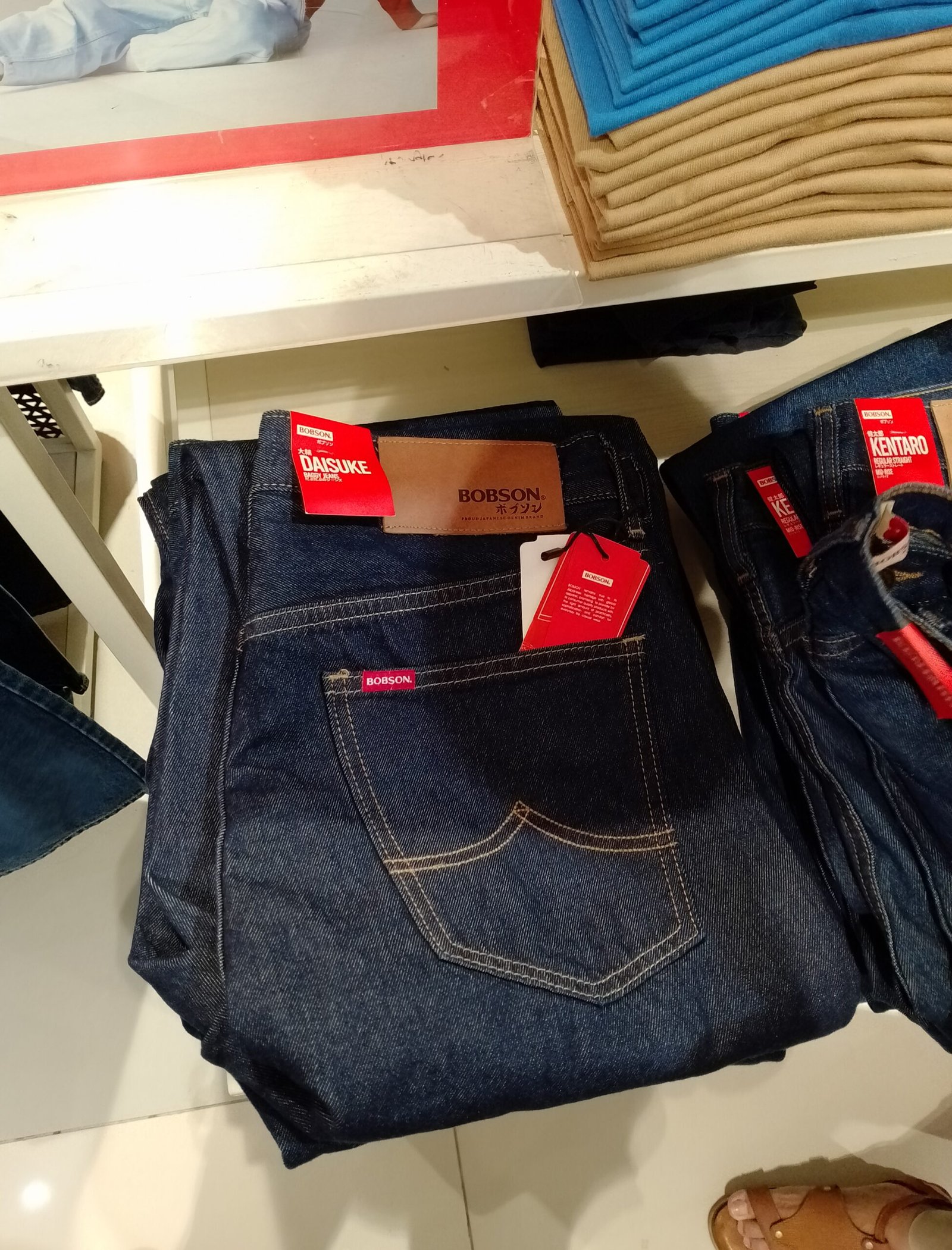
The 2000s are back, and nothing signals the Y2K revival like a pair of baggy jeans. After years of skinny denim, wide-leg, low-and-mid-rise, puddle-length jeans are everywhere again – and thrift stores are the best place to find the real thing rather than an expensive new imitation. This guide covers what to look for, which brands to grab, how to nail the fit, and how to sell the pairs you dig up.
Why baggy jeans are trending again
Fashion runs in twenty-year cycles, and the 2000s are the current nostalgia wave. Baggy and wide-leg jeans – skater, hip-hop and mall-brand styles – are back on every feed, worn slouchy and long. Because the originals were made in huge numbers and then abandoned during the skinny-jean years, they are still cheap and plentiful secondhand, which makes them one of the best-value trends to thrift right now.
What to look for
Rise and leg opening
The Y2K look is defined by a low or mid rise with a wide, straight leg opening that stacks or “puddles” over your shoes. Check both: a high-rise wide-leg reads more modern, while a true low-rise, extra-wide leg reads authentically 2000s.
The brands that matter
| Brand | Why collectors want it |
|---|---|
| JNCO | The legendary super-wide skater jeans; genuine vintage pairs are collector items |
| Levi’s SilverTab (Baggy/Loose) | Reissued and hugely popular; the original 90s-00s pairs are prized |
| Ecko, South Pole, Mecca | Early-2000s hip-hop streetwear staples |
| Carpenter & painter jeans | Dickies, Levi’s – loose, utility-pocket workwear cut |
| Mudd, JNCO-alikes | Mall-brand wide-legs, affordable entry point |
Details
Look for authentic 2000s touches: whiskering and factory fading, contrast stitching, utility and cargo pockets, and flared or boot-cut variations. Genuine wear and a proper wide leg beat a modern “relaxed” jean pretending to be baggy.
Got a pair of baggy jeans sitting in your closet? List it free on WishThrift and keep 100% of the sale – no listing fees, no commission, buyers worldwide.
Fit and sizing
Baggy is a look, not a size, so fit is everything. Measure the waist flat and check the front rise (low vs mid) and the leg opening – a wide hem is what creates the silhouette. Many people size up at the waist for a slouchier sit, then belt it. For length, remember the trend is long: a pair that pools slightly over your shoes is the point, so do not dismiss an over-long inseam.
What are they worth?
| Type | Typical resale |
|---|---|
| Genuine vintage JNCO wide-leg | $80 to $300+ |
| Original Levi’s SilverTab baggy/loose | $50 to $150 |
| Ecko / South Pole / early hip-hop | $40 to $120 |
| Mall-brand wide-leg / carpenter | $25 to $60 |
Extreme leg widths, rare washes and deadstock condition push prices up; common sizes in mid-blue sell fastest.
How to style them
Pair baggy jeans with a fitted or cropped top to balance the volume, add chunky sneakers or skate shoes, and keep it slouchy. They work with a vintage tee and a denim or Carhartt jacket for the full thrifted-2000s stack. This is a trend built on contrast: baggy bottom, tighter top.
Care
Wash cold, inside out, and hang to dry to keep the fades and stop the denim shrinking – important when the whole point is a long, wide leg. Preserve the whiskering that marks a pair as genuine.
Selling baggy jeans you thrift
The Y2K market is hungry and moves fast. Photograph the brand tag, the leg opening laid flat, and the rise; give flat waist, front rise and leg-opening measurements plus the inseam, because baggy buyers care about exact proportions. On WishThrift you list free and keep the entire sale. See our full Y2K fashion guide for the wider trend and the Levi’s 501 guide for reading denim tags.
Got a pair of wide-leg jeans sitting in your closet? List it free on WishThrift and keep 100% of the sale – no listing fees, no commission, buyers worldwide.
Where to find Y2K baggy jeans
The 2000s were only twenty years ago, so the originals are still everywhere secondhand. Thrift stores are full of wide-legs abandoned during the skinny-jean years and priced as ordinary denim. Men’s sections are a goldmine no matter who is buying – the biggest, baggiest cuts are the most wanted. Outlet bins and by-the-pound stores reward digging with cheap denim. Online, search brand names like “JNCO,” “SilverTab” and “Ecko” and filter by measurements, since so many sellers list a wide-leg pair without realising its trend value.
Mistakes to avoid when thrifting baggy jeans
- Buying a “relaxed” jean as baggy. Check the actual leg opening laid flat – a modern relaxed cut is not the Y2K silhouette.
- Ignoring the rise. A high-rise wide-leg reads current rather than 2000s; confirm a low-to-mid rise for the authentic look.
- Only measuring the waist. Rise, leg opening and inseam together define the fit, so record all four when you list.
- Hemming the length. The long, stacked leg that puddles over the shoe is the whole point – cutting it destroys both the look and the value.
- Passing on minor fading. Authentic whiskering and factory fades are desirable, not defects – they mark a genuine pair.
Styling and choosing the best pairs
Because baggy jeans are a silhouette rather than a size, the best pairs are the ones that nail the proportions. Balance is the rule: pair the volume of a wide leg with a fitted or cropped top so the outfit reads intentional rather than shapeless, and add chunky sneakers, skate shoes or boots under the stacked hem. When you are choosing between pairs on the rack, prioritise a true low-to-mid rise, a genuinely wide leg opening, and a mid-blue or black wash that styles easily – those sell and wear the widest. Cleaner, darker denim reads dressier, while heavy fading and whiskering read authentically 2000s. If you are buying to flip, the men’s rack is your friend regardless of who ends up wearing the jeans: the largest, baggiest cuts have the biggest audience. Learn to judge rise and leg opening at a glance and you will spot the right pair from across the store.
Complete the Y2K rotation: baggy jeans work best with chunky footwear and retro textures — see our thrifting Doc Martens guide and our vintage corduroy pants guide for what to hunt next.
FAQ
What makes jeans count as Y2K baggy jeans?
A low or mid rise with a wide, straight leg opening that stacks or puddles over the shoes – the defining 2000s silhouette. High-rise wide-legs read as modern; a true low-rise, extra-wide leg reads authentically Y2K. Whiskering, contrast stitching and utility pockets are period tells.
Which baggy jean brands are worth the most?
Genuine vintage JNCO wide-legs lead at $80-300+, followed by original Levi’s SilverTab baggy/loose pairs ($50-150) and early-2000s hip-hop brands like Ecko and South Pole ($40-120). Mall-brand and carpenter wide-legs sell for $25-60.
How should baggy jeans fit?
Baggy is a look rather than a size – measure the waist flat, check the front rise (low vs mid) and the leg opening, since a wide hem creates the silhouette. Many people size up at the waist and belt it, and a long inseam that pools slightly over the shoes is on-trend.
Where can I sell Y2K baggy jeans?
List them free on WishThrift and keep 100% of the sale. Photograph the brand tag, rise and leg opening laid flat, and give exact waist, rise, leg-opening and inseam measurements, since Y2K buyers care about proportions.
Maya Chen is Senior Editor at WishThrift, where she writes about the global secondhand market, sustainable shopping, and the resale economy. Her work focuses on practical buyer guides — designer authentication, online thrift tactics, used-book hunting, and what to look for on every listing before you pay. She edits the WishThrift seller knowledge base and reviews every guide published on the site.