
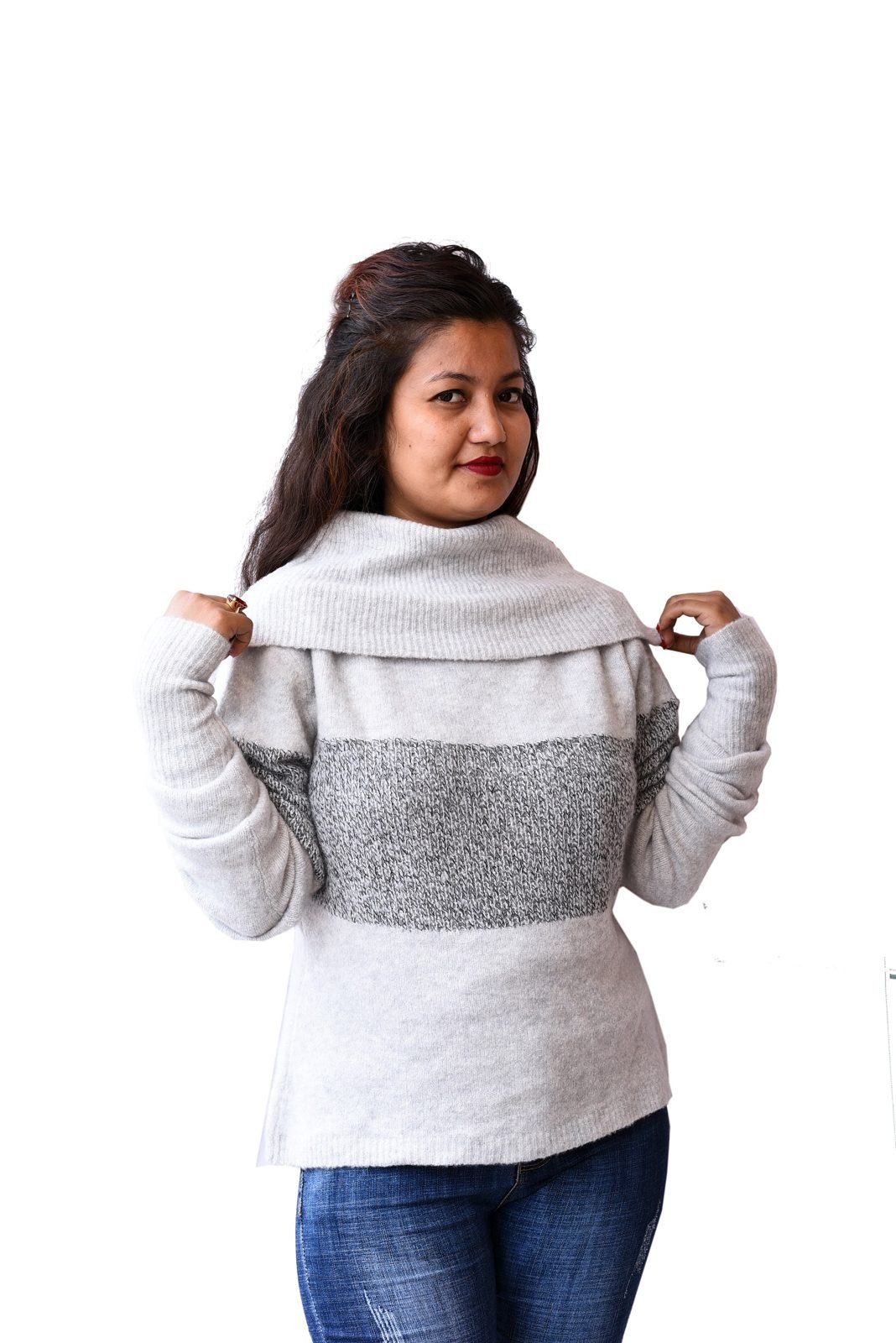
Thrifting cashmere is the closest thing secondhand shopping has to found money. New cashmere runs $150 to $500+ a sweater; thrift stores routinely price it at $5-15 because it hangs unnoticed among acrylic knits. Learn to identify it by hand and label, check the three condition killers, and you can dress in – or resell – one of the finest fibres in the world for pocket change.
Why cashmere is the ultimate thrift find
Cashmere is combed from goat undercoats in tiny yields, which is why it has never been cheap to produce. But because it looks unremarkable folded on a shelf, sorting staff at charity shops frequently tag it like any other jumper. The result is a permanent arbitrage: patient hands-on searching converts $10 into a $60-150 sale, and vintage Scottish cashmere – thicker and denser than most modern production – is the best of it.
How to find cashmere on the rack
Trust your hands first
Run your fingers along the shoulder of every knit on the rack. Cashmere feels soft, dry and dense – a plush, almost buttery hand that acrylic imitates with a slippery, squeaky softness. With practice you will stop at real cashmere without reading a single label.
Then read the label
“100% cashmere” is the target; “cashmere blend” (usually with merino) is still worthwhile at the right price. Check ply too: 2-ply and heavier knits feel substantial and last; whisper-thin 1-ply modern knits pill faster and resell lower.
Labels that add value
Vintage Scottish mills – Pringle, Ballantyne, Braemar, Barrie – are the collector tier. Italian and designer cashmere (Loro Piana, Brunello Cucinelli, Malo, plus TSE and older Ralph Lauren) command strong prices. “Made in Scotland” on any cashmere label is a buy signal.
Got a cashmere sweater sitting in your closet? List it free on WishThrift and keep 100% of the sale – no listing fees, no commission, buyers worldwide.
The three condition killers
Moth holes: hold the sweater up to light and scan the whole body – tiny holes multiply and are the number-one cashmere flaw. Felting: if a previous owner hot-washed it, the knit goes dense, stiff and shrunken – irreversible. Pilling: the mildest issue; underarm and side pills shave off with a cashmere comb and are not a reason to skip an otherwise good sweater, just a haggling point.
What is thrifted cashmere worth?
| Type | Typical resale |
|---|---|
| Loro Piana / Brunello / designer | $150 to $400+ |
| Vintage Scottish (Pringle, Ballantyne…) | $60 to $150 |
| Quality mall brands, 2-ply, clean | $30 to $70 |
| Thin modern 1-ply / minor flaws | $15 to $35 |
Neutral colours (camel, grey, navy, black) and crewnecks sell fastest; men’s larger sizes are chronically undersupplied secondhand.
Care: protect the value
Hand wash cold with a drop of gentle shampoo or wool wash, press water out in a towel, and dry flat – never hang wet cashmere and never machine-dry it. De-pill with a cashmere comb, not a razor. Store folded with cedar; moths love cashmere more than you do. A washed, combed, neatly folded sweater photographs like new and sells at the top of its range.
Selling cashmere
Photograph the fibre label and brand tag first – they are the proof buyers need – then the knit texture up close and the sweater flat in daylight. State pit-to-pit and length, ply if known, and disclose any repaired holes. List free on WishThrift and keep the whole sale. The wider method – pricing, photos, listing copy – is in our selling guide, and best vintage brands covers more labels worth flipping.
Where to find cashmere
Cashmere hides in plain sight in the ordinary sweater racks – the entire game is touching every knit, because stores that would price a labelled designer piece high still miss unlabelled-looking cashmere daily. The richest sources: charity shops in wealthy neighbourhoods (donations follow money), January racks (post-Christmas closet clears), and menswear sections anywhere (fewer resellers check them, and men’s sizes are undersupplied). Estate sales from older households reliably produce Scottish cashmere from the era when it was a standard luxury gift. Online, search “100% cashmere” filtered cheapest-first, and check listings with bad flat photos – careful sellers photograph the label, careless ones leave money on the table for you.
Mistakes to avoid
Skipping the light test – moth holes are the number-one flaw and invisible against a dark shelf; hold every candidate up to a window. Buying felted cashmere – stiff, dense, shrunken knit is ruined permanently; no care routine reverses a hot wash. Shaving pills with a razor – one slip cuts the knit; use a proper cashmere comb. Machine-washing before resale – even “wool cycle” machine washes risk felting; hand wash cold, dry flat, always. And underpricing designer labels – check the brand before listing; a $12 Loro Piana find priced at $40 because you did not look up the label is the most expensive laziness in thrifting.
When to buy and when to sell
Cashmere has a friendly calendar for buyers: the biggest supply wave hits in January (post-Christmas clear-outs, replaced-gift donations) and again in late spring when winter wardrobes get purged – both times when demand is quiet and prices soft. Selling peaks run October through December, when gift-buyers pay top price for clean neutral knits, with a smaller September bump. The play: accumulate through winter’s end and spring, wash and comb the finds properly, store them with cedar over summer, and list the collection in early autumn. Designer and Scottish-mill pieces are worth listing immediately whatever the month – label collectors search year-round – but an ordinary camel crewneck earns 30-40% more in November than in June.
Got knitwear you never wear sitting in your closet? List it free on WishThrift and keep 100% of the sale – no listing fees, no commission, buyers worldwide.
FAQ
How do I identify cashmere while thrifting?
Feel first: cashmere is soft, dry and dense with a buttery hand, while acrylic feels slippery and squeaky. Confirm with the fibre label – ‘100% cashmere’ is the target – and prefer 2-ply and heavier knits, which last longer and resell higher than thin 1-ply.
Which cashmere brands are worth the most secondhand?
Designer cashmere (Loro Piana, Brunello Cucinelli, Malo) brings $150-400+, vintage Scottish mills (Pringle, Ballantyne, Braemar, Barrie) $60-150, and clean quality mall-brand cashmere $30-70. ‘Made in Scotland’ on the label is always a buy signal.
What flaws should I check on thrifted cashmere?
Hold it up to the light and scan for moth holes (the number-one killer), check it has not been felted stiff by a hot wash (irreversible), and inspect underarms for pilling – the only flaw of the three that is easily fixed with a cashmere comb.
How should I wash a thrifted cashmere sweater?
Hand wash cold with gentle wool wash or a drop of shampoo, press the water out in a towel, and dry flat away from heat. Never hang it wet, never machine dry, and de-pill with a comb rather than a razor. Store folded with cedar to prevent moths.
Explore more thrifting guides or list your item free.
Maya Chen is Senior Editor at WishThrift, where she writes about the global secondhand market, sustainable shopping, and the resale economy. Her work focuses on practical buyer guides — designer authentication, online thrift tactics, used-book hunting, and what to look for on every listing before you pay. She edits the WishThrift seller knowledge base and reviews every guide published on the site.
1 thought on “Thrifting Cashmere – Guide (Find It by Hand, Labels & Value)”
Comments are closed.